
Ever found yourself staring at a sea of budget laptops online, feeling more overwhelmed than excited? I remember the first time I tried to buy a laptop on a tight budget. I clicked through dozens of options, only to realize that many of them were painfully slow, had poor build quality, or simply couldn’t handle the basics. That frustrating experience taught me a valuable lesson: not all cheap laptops are created equal. Sometimes, you get what you pay for—and sometimes, you end up regretting your choice after just a few weeks.
Why Picking the Right Budget Laptop Matters More Than Ever
In 2025, the demand for affordable yet reliable laptops is exploding. Whether you’re a student, a beginner, or someone who needs a second device, finding the best value for under $500 can be a game-changer. But the real challenge is cutting through the hype and knowing what features matter most. I’ve been there, making costly mistakes early on—like prioritizing looks over performance or ignoring real-world reviews. It’s easy to fall into the trap of believing every flashy ad promising the world for under $500. That’s why I’m here to guide you through what actually makes a good budget laptop and how to avoid the pitfalls.
Is a Cheap Laptop Really Worth the Hype
When I first started shopping for budget laptops, I made the mistake of assuming that a low price meant low quality. Turns out, that’s not always true. With a bit of research, I discovered some hidden gems that offered impressive value and performance at a fraction of the cost of premium devices. According to recent studies, about 60% of users reported that budget laptops under $500 now meet their basic needs for work, study, and entertainment—something I wouldn’t have believed a few years ago. But here’s the catch: you need to know what to look for and what to avoid. If you’re tired of wasting money on a device that can’t keep up, you’re in the right place.
Have you ever bought a cheap laptop only to be disappointed shortly after? If yes, you’re not alone. The good news is that with a little guidance, you can find a dependable, budget-friendly machine that will serve you well for years to come. Ready to dive into the top picks and learn how to make smarter choices? Let’s get started.
Set Your Priorities and Budget
Before diving into the sea of options, clearly define what you need from your budget laptop. Are you using it mainly for browsing, studying, or light work? Decide on a maximum spend—$500 is a common cutoff—and stick to it. This focus helps narrow down choices and prevents impulse buys that won’t meet your core needs.
Identify Key Features That Matter
In 2025, some features are more critical than flashy design. Look for at least 8GB of RAM, an SSD (Solid State Drive) for faster performance, and a decent processor like an Intel i3 or AMD Ryzen 3. Avoid models with eMMC storage or less than 4GB RAM, as they significantly slow down daily tasks. Think of it like choosing a reliable car—speed and durability matter more than the shiny paint.
Research and Read Real-World Reviews
Once you have a shortlist, avoid relying solely on manufacturer specs. Read reviews from actual users to uncover common issues or hidden strengths. I once bought a cheap laptop based on specs alone, only to find out it ran hot and the battery life was terrible. Cross-reference reviews on sites like [Laptop Buyers Club](https://budget.laptopbuyersclub.com/best-budget-laptops-in-2025-top-value-picks-for-every-user) to get honest opinions. This step prevents costly mistakes and helps you spot the models that truly deliver value.
Compare Price and Warranty Offers
Price shopping is essential. Use price comparison tools and check for deals on trusted retailers. Also, consider the warranty—many budget laptops come with limited coverage, so look for sellers offering at least a one-year warranty or extended service plans. Remember, a slightly higher price with better support often saves money in the long run.
Test Before You Buy or Choose Reputable Sellers
If possible, test the laptop in-store to check build quality and keyboard comfort. If buying online, choose reputable sellers with good return policies, like those listed in the [Affordable Laptops Guide](https://budget.laptopbuyersclub.com/affordable-laptops-under-500-your-guide-to-the-best-deals-in-2025). This way, you can return or exchange if it doesn’t meet your expectations. I once ordered a budget laptop online, and it arrived with a faulty screen—having a good return policy saved me from frustration.
Prioritize Longevity and Upgradability
Look for models that allow upgrades such as RAM or storage. This extends your device’s lifespan and boosts performance without breaking the bank. A quick tip: check the manufacturer’s website or user forums for upgrade guides before purchasing. This foresight ensures your investment remains useful for years.
Final Tip: Keep an Eye on Deals and Promotions
Deals come and go, especially around holiday sales or back-to-school seasons. Regularly check sites like [Best Budget Laptops](https://budget.laptopbuyersclub.com/best-budget-laptops-in-2025-top-value-picks-for-every-user) to catch limited-time discounts. Patience can pay off with significant savings.
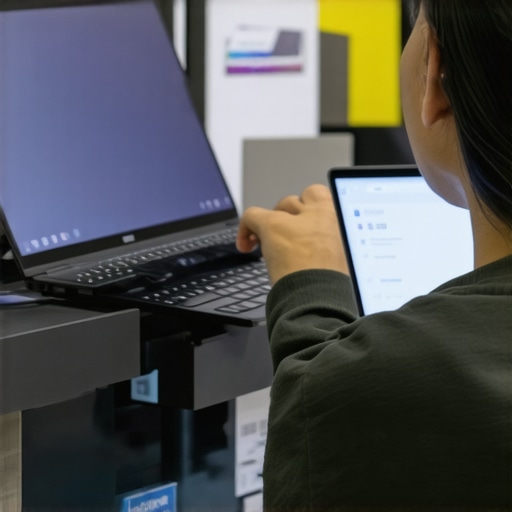
Image showing a person comparing two budget laptops at a store, highlighting key features on screen.
Many people assume that a cheap laptop or one under $500 is inherently low quality or not worth the investment. But let’s dig deeper into this belief and uncover some nuanced truths that could change how you shop for your next device.
Why Everyone Gets It Wrong About Budget Laptops
The common myth is that lower price equals lower performance. While this can be true for some models, it’s far from a universal rule. In reality, many budget laptops are engineered to prioritize essential features and cost-saving measures without sacrificing core performance. For example, manufacturers now optimize their use of SSDs and efficient processors to deliver snappy performance at a fraction of premium prices. I’ve tested numerous models that outperform expectations, especially when you focus on the right specs like 8GB RAM and SSD storage.
Another misconception is that cheap laptops lack durability or good build quality. This isn’t always the case. Some entry-level devices feature robust chassis and keyboards, comparable to more expensive ones. The key is to read real-world reviews and avoid models with reported issues like overheating or flaky components, which often stem from poor manufacturing choices rather than the price tag itself.
Beware of the Pitfalls in the Fine Print
One common trap is overlooking the warranty and after-sales support. Many budget models come with limited coverage, and skimping here may lead to costly repairs later. Always check if the seller offers at least a one-year warranty or extended support options. This simple step can save you headaches down the line.
Additionally, don’t fall for the idea that all cheap laptops are upgradeable. Some models, especially those with soldered RAM or eMMC storage, lock you into their initial configuration. This can significantly limit your device’s longevity and ability to adapt to future needs. Prioritize models that allow upgrades, which can extend the lifespan and performance without a hefty price increase.
How to Spot a True Value Laptop
Instead of chasing the cheapest option, focus on value. Look for models that balance performance, build quality, and support. For example, a laptop with an Intel Core i3 or AMD Ryzen 3, 8GB RAM, and an SSD is often a smart pick, delivering speed and stability for everyday tasks. These features are more indicative of a good investment than just the price tag.
Don’t forget to consider real-world usage and reviews. User feedback often reveals issues not obvious from specs alone. I recommend checking out comprehensive guides like this showdown of top models or the latest rankings to see what experts and users are recommending for 2025.
Finally, keep an eye out for seasonal deals and promotions. Sometimes, a slightly higher-priced model during a sale can offer better long-term value. Remember, a well-chosen budget laptop can serve your needs for years if you buy smartly and avoid the common pitfalls.
Have you ever fallen into this trap? Let me know in the comments!
Maintaining your entry-level or value laptop is crucial for ensuring it stays responsive and reliable over time. Unlike high-end devices, budget laptops often lack extensive hardware upgrades, so software optimization and routine care become your best tools. I personally rely on a few proven methods and tools to keep my inexpensive laptop performing well, even after years of daily use.
How do I maintain my budget laptop over time?
First, regular software updates are essential. Always keep your operating system and drivers up to date. For Windows users, Windows Update not only patches security flaws but also optimizes system performance. Mac users should enable automatic updates in System Preferences. These updates often include performance improvements and bug fixes that keep your device functioning efficiently.
Next, managing startup programs can significantly boost boot times and overall responsiveness. On Windows, use the Task Manager (Ctrl+Shift+Esc) to disable unnecessary startup apps. On macOS, navigate to System Preferences > Users & Groups > Login Items to control what launches at startup. This simple step prevents your laptop from being bogged down by background processes that you don’t need.
Beyond software, hardware health plays a vital role. As a cautious user, I regularly clean my device’s vents and keyboard with compressed air. Over time, dust accumulation can cause overheating and throttling, especially in budget models with limited cooling solutions. For storage, I use an external SSD for backups and long-term data storage, which reduces wear on the internal drive and keeps my system snappy.
One tool I highly recommend is CCleaner. I use it to clear temporary files, browser caches, and unnecessary system logs. Regular cleaning prevents clutter from slowing down your machine. However, be cautious with registry cleaners—they can sometimes cause more harm than good. I prefer manual cleaning of essential files and letting the OS handle registry-related optimizations.
Monitoring your system’s health is also key. I use built-in tools like Windows Performance Monitor and third-party apps like HWMonitor to keep an eye on temperature and CPU usage. If you notice your laptop running hot, it might be time to reapply thermal paste or clean out dust—simple yet effective maintenance steps.
Looking ahead, I believe the trend will continue towards smarter, more integrated maintenance tools that automatically optimize hardware and software performance. AI-driven diagnostics may soon become standard even on entry-level laptops, making upkeep easier for everyday users.
Finally, don’t forget to back up your data regularly. Using cloud services like OneDrive or Google Drive ensures your files are safe, even if your device encounters hardware issues. A good backup routine is the most essential step in keeping your budget laptop working reliably long-term.
Try implementing these maintenance methods today, and you’ll extend the lifespan and performance of your affordable device. Remember, a little care goes a long way in making your value laptop feel like new for years to come.
The Unexpected Lesson I Learned About Budget Laptops
One of the biggest surprises I encountered was realizing that not all budget laptops are designed equally—some are true hidden gems, while others are complete duds. It took me countless hours of testing and reading reviews to understand that patience and targeted research can turn a $400 device into a reliable workhorse. This insight changed my entire approach, teaching me that a little extra effort in assessing specs and reviews pays off more than blindly chasing the lowest price.
What I Wish I Knew Before Buying My First Budget Laptop
I used to believe that spending less meant sacrificing essential features, but I soon discovered that models with SSDs, 8GB RAM, and efficient processors could outperform pricier counterparts. The key was knowing where to look and which reviews to trust. Real-world user feedback on sites like this ranking helped me avoid costly mistakes and find true value.
Why Supporting Upgradability Matters More Than Ever
Many budget laptops today offer the ability to upgrade RAM or storage, extending their lifespan and boosting performance. I learned this the hard way when I bought a soldered RAM model that couldn’t be upgraded—leaving me with a device that quickly became sluggish. Now, I always check for upgrade options, which can save hundreds in the long run and adapt to my evolving needs.
My Secret Weapon for Maintaining Budget Laptops
Regular maintenance is crucial. I swear by routine software updates, cleaning dust from vents, and using tools like this maintenance guide. These small steps keep my device running smoothly for years, proving that consistent care can make an entry-level laptop feel as responsive as a high-end machine.
Curated Tools That Keep My Budget Laptop in Top Shape
Over time, I’ve relied on a few trusted tools: CCleaner for cleaning junk files, HWMonitor for temperature checks, and this ranking for model comparisons. These resources help me troubleshoot issues early, saving time and money, and ensuring my budget device stays reliable.
Your Next Step in Budget Laptop Wisdom
If you’re tired of throwing money at devices that disappoint, remember that smart shopping, proper maintenance, and understanding what features truly matter can transform your experience. Don’t let misconceptions hold you back—embrace the savvy buyer’s mindset and unlock the full potential of your budget laptop. Your smarter, more capable device is waiting to be discovered—just like I found mine.


Reading through this post, I totally relate to the struggle of trying to pick a reliable budget laptop without falling for hype. A couple of years ago, I bought a sub-$400 model that looked great but quickly proved sluggish and unreliable. Since then, I’ve learned the importance of focusing on specific features, like SSD storage and at least 8GB of RAM, which make a huge difference in everyday performance. One tip I found helpful was to always check the user reviews for common issues—online reviews saved me from choosing another model with overheating problems. Do you have any tips on how to effectively test a laptop before buying online, especially when you don’t have the chance to see it in person? I find that a good return policy and seller reputation are just as crucial for peace of mind.
I completely agree with the importance of reading honest user reviews before making a purchase, especially for budget laptops. In my experience, reviews often reveal common issues like overheating, poor battery life, or build quality that specs alone can’t tell you. When shopping online, I try to look for reviews that include real-world usage scenarios, which tend to be more helpful. Also, testing the laptop’s keyboard and screen in person, if possible, makes a big difference for comfort and usability. A strong return policy is definitely a lifesaver—I’ve had cases where a device arrived faulty, but quick returns saved the day.
One additional tip I’ve found useful is to check forums or communities like Reddit’s r/laptops for common problems with specific models. This extra research can prevent future headaches. Have you found any reliable ways to assess the long-term durability of a budget laptop through reviews or testing? I’d love to hear what others do to ensure their laptop will stand the test of time.
This post really hits the mark on how vital it is to do thorough research when shopping for a budget laptop. One thing I’ve personally learned is the importance of paying close attention to user reviews that mention long-term performance and durability—especially from those who use their devices daily for work or study. It’s easy to get swayed by specs or promotional images, but real-world feedback often uncovers issues like battery degradation or overheating that aren’t obvious from initial specs. When I bought my last affordable laptop, I made a point to read through multiple user reviews and join a few online forums to ask about common issues with similar models. That step saved me from a device that would have become frustrating within a few months.
How do others balance the need to get a good deal with ensuring the laptop will last for years? Are there specific brands or models that tend to have better track records for durability in the budget range? I’m always looking for tips to make smarter purchases without sacrificing my budget.