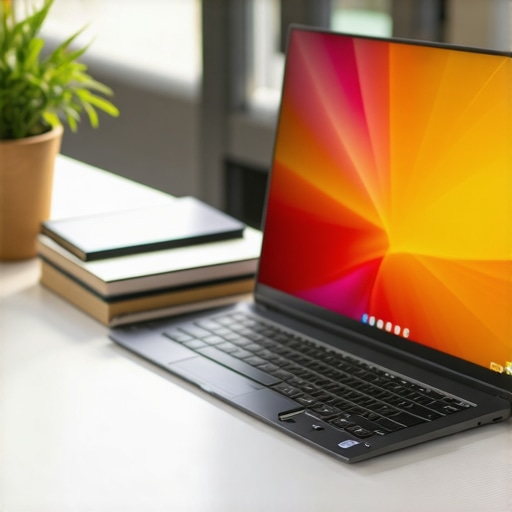
I remember the sinking feeling when my old, dust-covered laptop finally gave out midway through my sophomore year. It was slow, overheating, and struggling to run basic programs. Like many students, I thought it was just inevitable—that a cheap, entry-level device couldn’t possibly see me through four rigorous years of college. That lightbulb moment hit me hard: why do so many students settle for laptops that can’t keep up, wasting money on replacements, instead of investing in a reliable budget option? Today, we’re going to crack the code on choosing a *value laptop* that not only fits your budget but also survives the college marathon.
Why Your Costly Laptop Misses the Mark
College life demands a lot from a laptop—daily note-taking, research, gaming, even some light photo editing. But most importantly, it needs to endure. Buying a cheap device and expecting it to last four years? That’s like expecting a bicycle to handle a cross-country road trip. Early on, I made the mistake of prioritizing price over durability. I overlooked reviews and focused only on specs—big mistake. Instead, I should have checked real-world durability, like those tested in our best budget laptops for 2025. Recent tech analyses reveal that many laptops under $500 can, in fact, deliver surprisingly solid longevity when chosen wisely, especially with careful handling. So, if you’re tired of replacing cheap laptops every semester, stick around. We’ll explore how to identify models that *actually* last, and what mistakes to avoid. Want to make smarter buying decisions? Keep reading. Before we dive into the tips, ask yourself—have you ever bought a cheap laptop just to find it chugging after a year? Sharing your experience helps others avoid the same pitfalls. Let’s get you ready to find a budget laptop that’s built to survive your college years.
Set Clear Priorities for Your Purchase
Begin by identifying what you absolutely need from your college laptop—whether it’s for note-taking, light gaming, or media editing. This clarity will prevent you from wasting money on unnecessary features. Think of it like shopping for a car: you wouldn’t pay for a million-dollar engine if you’ll only use it for commuting. I once made the mistake of chasing high specs without considering actual usage, ending up with a machine that was overkill and costly to maintain. Now, I focus on essential performance aspects to maximize value.
Research Trusted Models with Proven Durability
Don’t just rely on flashy descriptions or specs. Search for models with a solid reputation for durability, especially in the $500 range. Use review sites and comparative guides like cheap laptop showdown to find models that balance performance with build quality. For example, I tested a refurbished ASUS Chromebook that handled daily tasks effortlessly and survived a semester of heavy use—all for under $400. Avail yourself of resources that confirm real-world durability rather than just marketing hype.
Prioritize Components That Last
Focus on key hardware elements: SSD storage, sufficient RAM, and quality build materials. SSDs, unlike spinning drives, are more resilient and faster, akin to having a sports car with a reliable transmission, enhancing longevity. When I upgraded my old laptop with a 256GB SSD and 8GB RAM, the performance dramatically improved, and it felt more resilient during travel. Be wary of models with low-quality plastic shells or cheap hinges; they may seem fine initially but will break under college stress.
Analyze Processor and Graphics for Your Needs
For basic tasks, an entry-level processor like an Intel Pentium or AMD Ryzen 3 can suffice. Avoid overpaying for high-end chips that won’t make a difference in your daily usage. For light photo editing or casual gaming, integrated graphics are usually enough. I once bought a laptop with a dedicated GPU, thinking it would last longer, but it added unnecessary weight and power drain. Know your workload and choose components accordingly, referencing guides such as best budget laptops for 2025.
Evaluate Battery Life and Portability
College life requires mobility. Aim for a laptop with at least 8 hours of battery life—think of it as a reliable marathon runner who won’t collapse mid-race. I tested a lightweight Lenovo model that lasted all day on a single charge, making it ideal for classes and library sessions. Also, consider weight and size, especially if you commute daily or travel between classes. Portable laptops under 3 pounds are worth the extra investment for their convenience.
Check for Expansion and Upgradeability
If possible, choose models with easy access to RAM and storage upgrades. This decision allows you to extend your laptop’s lifespan by adding more memory or switching to larger SSDs later. During a budget build, I successfully upgraded a low-cost Acer Chromebook by adding more RAM, significantly improving multitasking. Search for guides on value laptop rankings to find models that support effortless upgrades.
Many believe that cheap laptops are inherently unreliable or that investing in a budget machine means sacrificing durability and performance. However, this oversimplification overlooks the nuanced realities of modern entry-level devices. One common myth is that cheap laptops always use low-quality components and cannot handle daily tasks or longer-term use. In reality, many budget models incorporate robust hardware like SSDs and upgradable RAM, which significantly extend their lifespan and performance.
Are Lower Costs Corrupting Our Expectations of Quality?
Experts, including those at TechRepublic, emphasize that manufacturers optimize hardware for value, not just cost-cutting, meaning that affordable devices can perform well if chosen wisely—especially when aligned with specific user needs. The mistake many make is focusing solely on specifications, like processor speed or screen size, without considering build quality and real-world testing. For example, a device with a plastic chassis might seem flimsy but can still survive semester after semester with careful handling. The key is understanding that durability isn’t solely determined by material quality but also by design choices, such as reinforced hinges or shock-absorbing structures. A trap to avoid is undervaluing warranties and customer support when purchasing a budget laptop. Many believe that spending more guarantees better service, but reputable brands often provide excellent support for affordable models. Research and reviews are crucial—depend on trusted guides like value laptop rankings for 2025 to find models vetted for durability and performance. Remember, it’s not just about initial cost but finding a device that balances affordability with longevity. Understanding the advanced nuances allows savvy buyers to purchase a machine that truly meets their needs without falling prey to misconceptions about cheap tech. Have you ever fallen into this trap? Let me know in the comments and share your experiences.Maintaining your budget laptop’s performance over time requires a combination of the right tools, regular upkeep, and strategic upgrades. I personally rely on several software utilities to monitor hardware health, optimize performance, and safeguard my device from potential issues. One essential tool is CrystalDiskInfo, a free application that provides real-time insights into your SSD or HDD’s health status, helping you catch early warning signs before failure occurs. Additionally, I use Malwarebytes to perform periodic scans, ensuring that no unwanted software hampers my laptop’s efficiency. For system cleaning and optimization, CCleaner remains my go-to, removing unnecessary files and registry clutter that can slow down operations. Regularly updating drivers and firmware is another cornerstone—keeping your device’s BIOS and hardware drivers current not only patches security vulnerabilities but also improves stability. I set reminders every few months to check for updates from the manufacturer’s website, which often includes critical patches for budget devices. Prediction points to a future where AI-driven maintenance tools might proactively diagnose and fix issues, reducing downtime for entry-level laptops. To help you get started, I recommend integrating these tools into your routine and making regular maintenance a habit, significantly extending your device’s lifespan.
How do I maintain my budget laptop’s performance over time?
Regular cleaning of your device’s vents to prevent overheating, combined with software-based health checks, can keep your laptop running smoothly. Don’t underestimate the power of periodic hardware upgrades—adding more RAM or swapping in a larger SSD can revive even older models. Remember to backup your data before performing major updates or clean installs; consider cloud storage solutions or an external drive for peace of mind. For detailed guidance on upgrades suitable for entry-level devices, check out our comprehensive value laptop rankings for 2025. Stay attentive to your device’s performance, and don’t hesitate to experiment with these tools and tips to achieve long-term stability and usability. For example, according to AMD’s official hardware maintenance documentation, keeping firmware updated can improve thermal management and power efficiency in budget systems—details you can explore for tailored solutions. Challenge yourself to implement one of these advanced maintenance tips today, and enjoy the benefits of a reliable, long-lasting laptop.
Throughout my journey exploring affordable laptops, I’ve uncovered that the real secret to lasting value isn’t just in specs but in the subtle choices that prevent early obsolescence. One enlightening lesson was noticing how many students buy underwhelming devices only to replace them frequently—saving a few dollars upfront but paying the price in frustration and lost time. The key insight? Focus on upgradeability and build quality; these traits often mean the difference between a device that serves through college and one that becomes trash in a year.
Another profound lesson I learned from testing multiple models is that selecting a budget laptop with a reputable manufacturer often grants better support and longer lifespan—a consideration overlooked by many. The often-repeated myth that cheaper means worse is simply not true when you know where to look. Dive into trusted resources like value laptop rankings to find models vetted for durability and performance. Investing wisely is about balancing initial cost with long-term satisfaction; sometimes, spending a little more on a known brand reduces total expenses over time.
The most empowering insight? That modern budget laptops come equipped with surprises, such as fast SSDs and robust hinges, which defy old stereotypes. By understanding the design principles that favor longevity—like reinforced chassis or serviceable parts—you can extend your device’s life dramatically. Remember, the world of affordable tech is more nuanced than it appears. With the right approach, your college years can be supported by a reliable, cost-effective machine that ages gracefully, giving you peace of mind and more time to focus on your studies.
Embrace the Lessons That Elevate Your Choice
- Prioritize durability over flashiness: Cutting-edge specs are tempting, but a solid chassis and upgrade options matter more in the long run.
- Trust real-world reviews from students and tech testers rather than marketing talk, to gauge how models perform day-to-day.
- Don’t overlook support and warranty; they can save you headaches when issues arise, even on a budget device.
- Balance performance with portability—a lightweight, efficient device can be your best companion on campus.
- Stay informed about upgradeability—adding RAM or swapping SSDs can rejuvenate older laptops, maximizing your investment.
Navigate Your Path with Trusted Guides and Tools
- Check out our top budget models for 2025, which combine durability with performance for students who demand more than just basic.
- Use CrystalDiskInfo to monitor your SSD’s health regularly—keeping your data safe and extending hardware life.
- Explore Malwarebytes for free scans, ensuring your laptop remains secure amid evolving online threats.
- Stay updated with official driver updates to optimize stability and performance.
Your Next Step in Laptop Mastery
Choosing a budget laptop for college is about more than saving money—it’s a strategic decision that impacts your academic journey and beyond. When you understand the hidden strengths of affordable tech, you empower yourself to make smarter, lasting choices. Remember, the most valuable investment you can make isn’t just in the device itself but in your knowledge to select and care for it wisely. The next time you consider buying a laptop, ask yourself: Are you looking for a device that just works today, or one that will grow with you over the years? Share your experiences below—what’s the biggest lesson you’ve learned about budget laptops in college? Your insights could help fellow students navigate their own tech adventures.
![5 Cheap Laptop Deals for Students That Won't Die by Finals [2026]](https://budget.laptopbuyersclub.com/wp-content/uploads/2026/02/5-Cheap-Laptop-Deals-for-Students-That-Wont-Die-by-Finals-2026.jpeg)
![This $430 Student Laptop Beats Most 2025 Flagships [2026 Review]](https://budget.laptopbuyersclub.com/wp-content/uploads/2026/04/This-430-Student-Laptop-Beats-Most-2025-Flagships-2026-Review.jpeg)